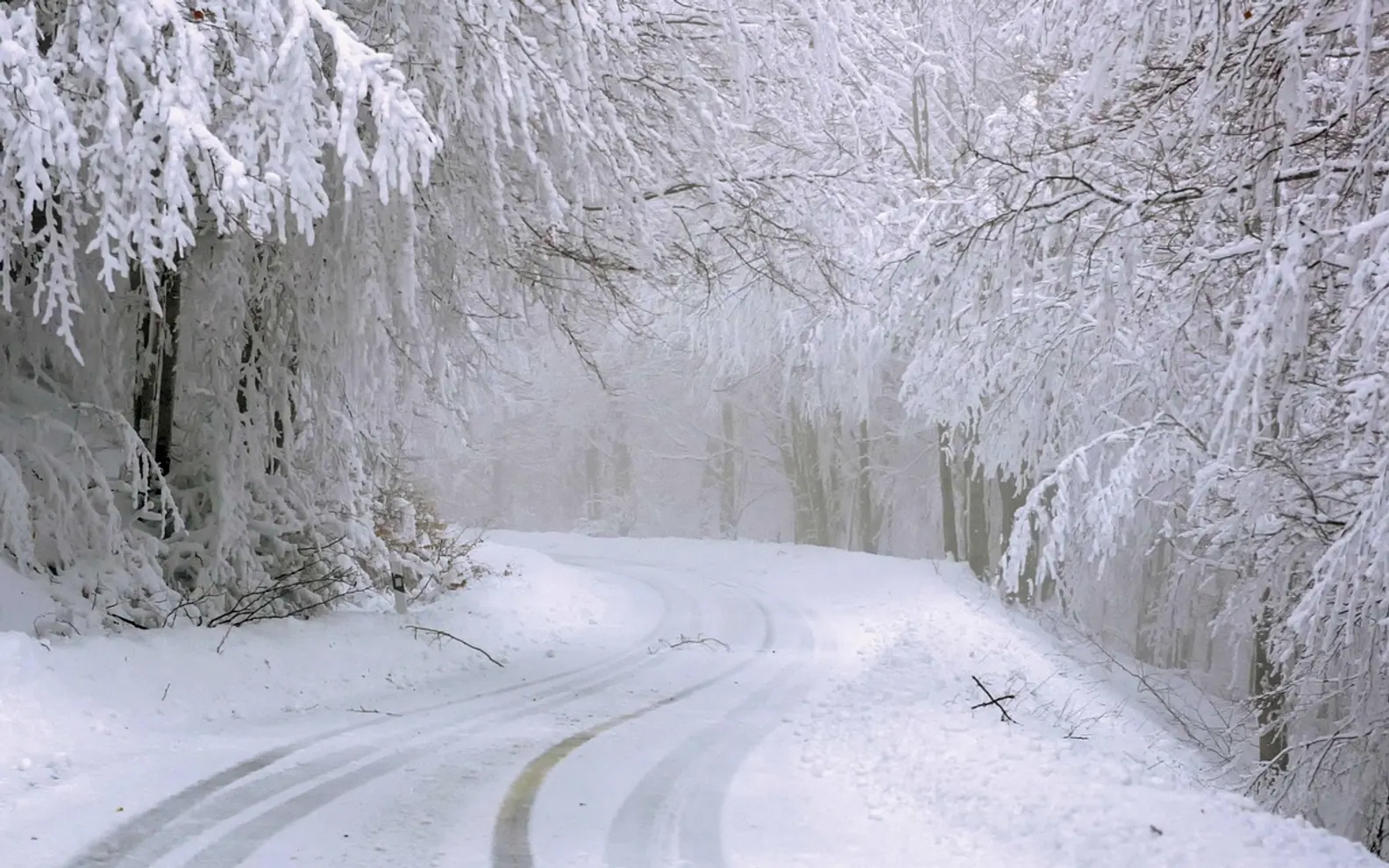
Massachusetts in winter has a beauty of its own: snow on colonial rooftops, frozen ponds, bright cold mornings along the coast. It also has nor'easters, black ice and the kind of slush that turns a twenty-minute drive into an hour. For commuters, visitors heading to Boston and anyone with a flight to catch from Logan, a little planning can make the difference between a smooth trip and a frustrating one.
What slows everyone down
Winter delays in the state usually come from a familiar set of causes:
- Snow and ice on the roads. Even after plowing, untreated side streets and bridges can stay slick, and drivers rightly slow down.
- Poor visibility. Heavy snowfall and blowing snow reduce how far drivers can see, increasing the risk of collisions that block lanes.
- Transit disruptions. Frozen switches, signal problems and staffing gaps can lead to slower or reduced service on trains and buses.
- Airport knock-on effects. De-icing and weather elsewhere in the country can delay flights well beyond the local storm.
Comparing your transport options
| Option | Advantages in winter | Drawbacks |
|---|---|---|
| Own car | Flexible timing and routes | Driving in poor conditions, parking in snow emergencies |
| Public transit | No driving or parking stress | Possible delays, cold waits at stops |
| Rideshare or taxi | Door-to-door, no parking needed | Higher prices and longer waits during storms |
| Private car service | Booked in advance, experienced drivers | Costlier; needs planning ahead |
| Staying put | Avoids risk entirely | Only possible with flexible work or plans |
The right choice depends on the trip. A cross-town commute might be best by train, while an early airport run during a storm may justify a pre-booked car.
Habits that cut delays
- Check conditions before leaving. Look at the forecast, traffic maps and transit service alerts, and sign up for notifications where available.
- Build in extra time. Leaving earlier removes the pressure that leads to rushed driving.
- Know a second route. Main highways are often treated first, but an alternative can help when an accident blocks the usual way.
- Prepare the car. Winter tires or good all-season tires, a full tank, working wipers, washer fluid and a scraper make a real difference.
- Pack a small kit. Blanket, phone charger, water, snacks and a flashlight are useful if you get stuck.
- Clear all the snow. Clearing the roof, windows and lights helps you see and be seen.
Flexibility as a travel strategy
One of the most effective ways to avoid winter delays is simply not travelling during the worst of a storm. Many employers now allow remote work on heavy snow days, and shifting a meeting or appointment by a day can save hours on the road. When travel is essential, following local parking bans and road advisories helps plow crews work faster, which shortens delays for everyone.
Better choices, smoother roads
Every driver who stays off icy roads, every commuter who takes the train instead and every traveller who plans ahead reduces congestion and the chance of accidents. Small, sensible decisions add up across a whole region, making a Massachusetts winter safer and a little less stressful for everyone on the move.