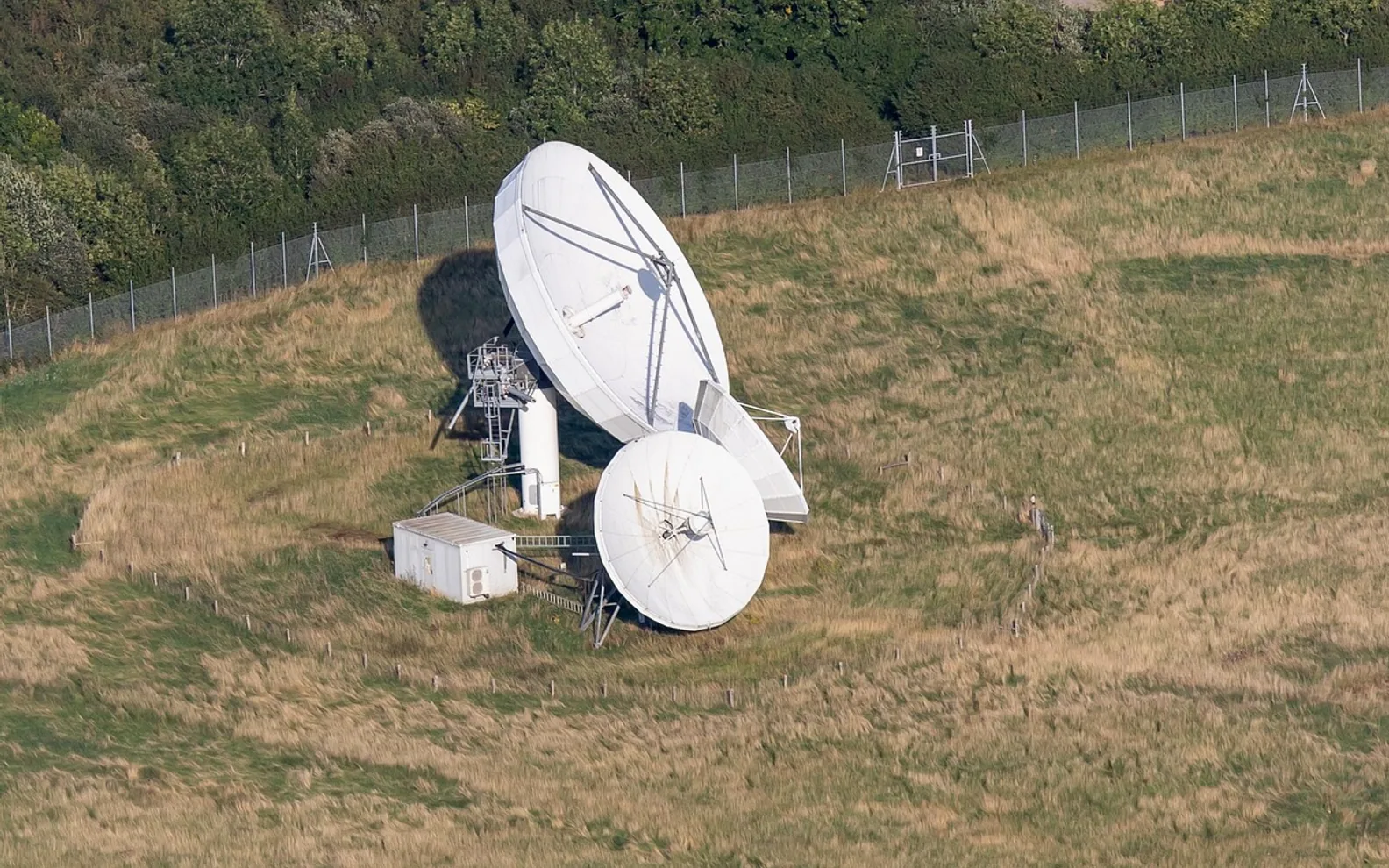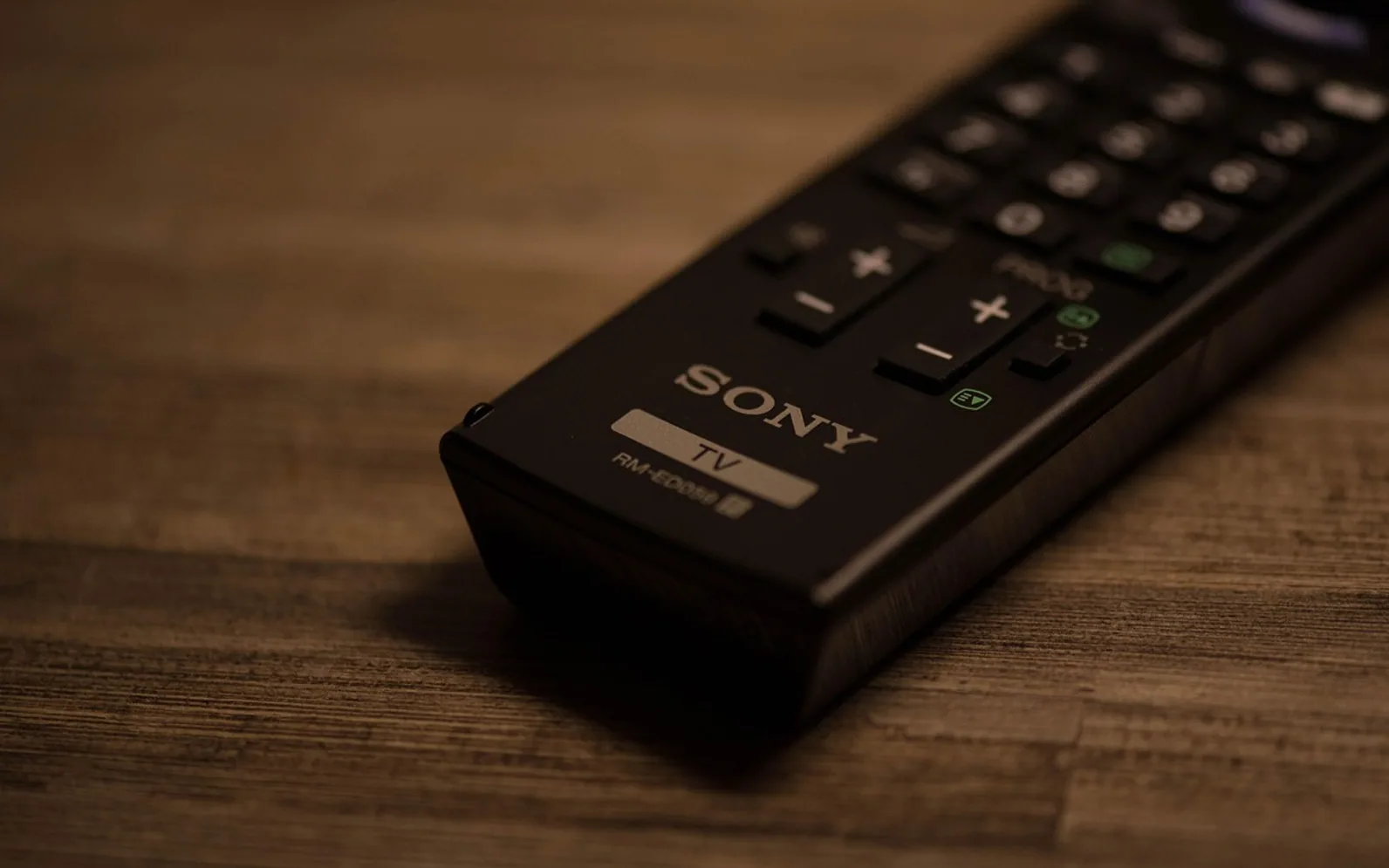
For a long time, watching television in Germany meant a cable socket in the wall or a satellite dish on the balcony. That picture is shifting. Internet-delivered television, usually called IPTV, now sits alongside the classic options in many homes, and for some households it has replaced them entirely. The change is less about technology for its own sake and more about how people want to fit viewing into their days.
A different delivery route, a different routine
IPTV carries live channels and on-demand programmes over a broadband connection instead of a broadcast signal. To the viewer, the biggest difference is freedom from a single box in a single room. The same subscription can usually run on a smart TV, a streaming stick, a tablet or a phone. Someone can catch the start of the evening news in the kitchen, switch to the living room for a Bundesliga match and finish a documentary in bed.
Features that used to require a separate recorder are often built in: pausing live programmes, restarting a show that has already begun, or watching yesterday's broadcasts through a replay function. For households where everyone keeps different hours, that flexibility matters more than any single channel.
What is pushing the change in Germany
Several developments have come together at the same time:
- Better broadband. As fibre and faster DSL reach more towns, streaming live TV in high definition has become dependable in many areas.
- Smart TVs as standard. New televisions ship with app stores, so getting started often means downloading an app rather than installing hardware.
- Changes to tenancy rules. Since landlords can no longer pass cable TV fees on through service charges, many tenants have actively chosen how they want to receive television for the first time.
- Mixed viewing habits. People combine public broadcasters, private channels and streaming libraries, and want them in one place.
Beyond the TV screen
Smart viewing in Germany is increasingly about audio and short-form content as well as classic programmes. Many viewers move between a live show, a video podcast and a radio-style talk format in the same evening. Guides and directories such as besserpodcasts reflect this broader appetite for on-demand media, helping listeners and viewers find shows that suit their interests alongside their regular television.
Points to weigh before switching
IPTV works best when the basics are in place. A stable connection with enough bandwidth for every screen in the household is the starting point, and a wired connection or a strong mesh network for the main TV helps during big live events. It is worth checking which channels are included in HD, whether regional programmes are available, how many devices may stream at once and how long the contract runs.
Legitimate offerings come from telecom operators, broadcasters and established streaming platforms, and viewers are well advised to pick a provider that is properly licensed to show its channels in Germany. That protects both picture reliability and the household's own position.
Where this leaves traditional TV
Cable and satellite are not disappearing overnight, and for some homes they remain the simplest choice. What has changed is that viewers now compare options instead of accepting a default. IPTV has given German households a reason to ask what they actually watch, on which screens, and how much flexibility they want for the money.