"Full coverage" is not a formal type of car insurance. In the US it is shorthand for a policy that combines liability cover, which pays for harm you cause to others, with collision and comprehensive cover, which pay for damage to your own car. Collision responds when the car hits something or rolls over; comprehensive handles most other physical damage, such as theft, fire, hail or an animal strike. Even with all three, plenty of costs remain uncovered.
The three building blocks
Liability
Liability cover pays for injuries and property damage you cause to other people, up to the limits you choose. Most US states require a minimum amount, and other countries have their own compulsory motor rules. It does not pay to fix your own car.
Collision
Collision cover pays to repair or replace your car after it hits another vehicle or an object, or overturns, regardless of who was at fault. If another driver was responsible, your insurer may pay you first and recover the cost from them later.
Comprehensive
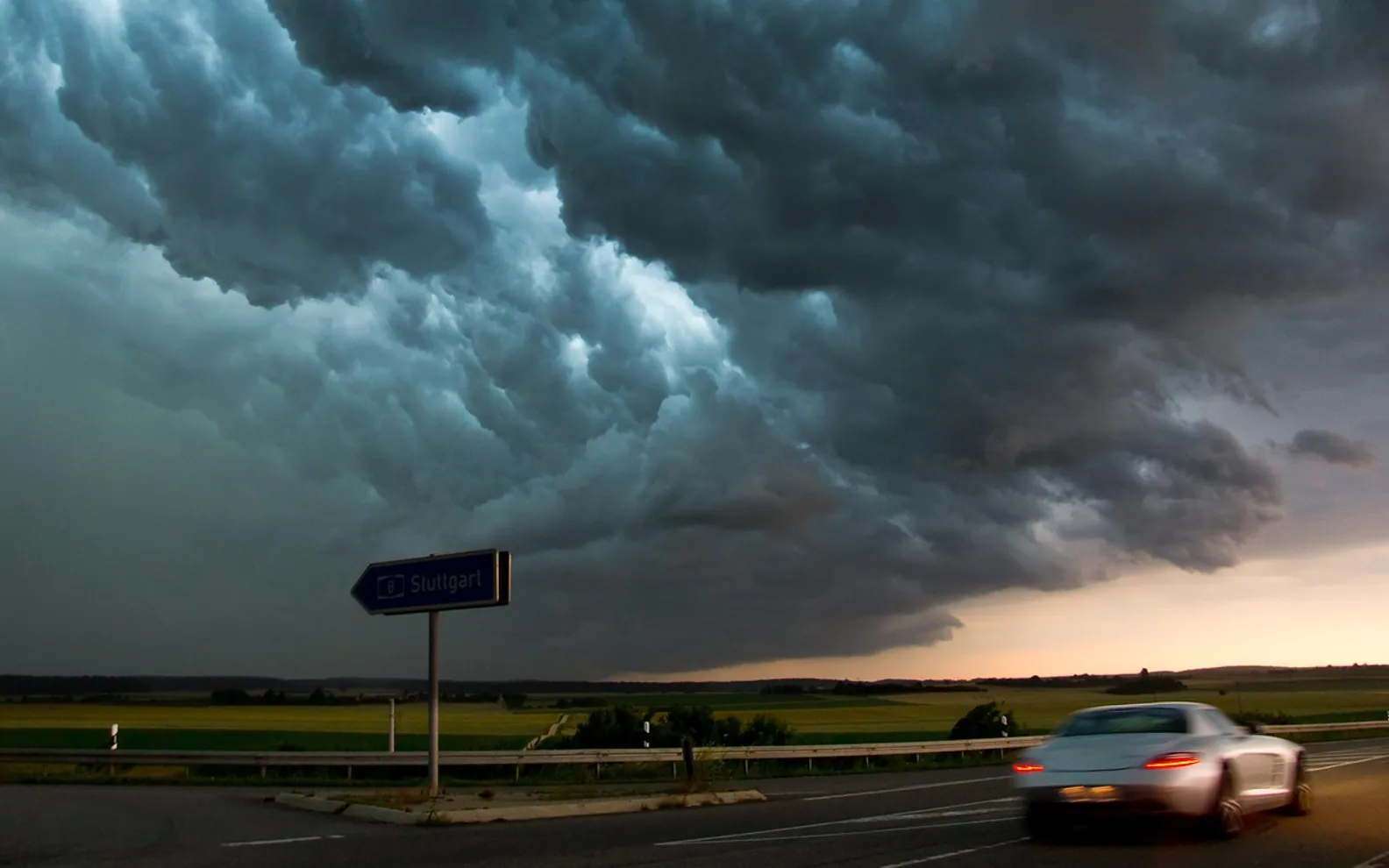
Comprehensive, sometimes called other-than-collision cover, pays for damage from events that are not a collision. Theft, vandalism, fire, storms, hail, flooding, falling objects and hitting a deer or other animal usually fall here, and many policies also handle windscreen and glass damage under this heading.
Which cover usually responds?
| What happened | Usually handled by |
|---|---|
| You rear-end another car | Collision for your car; liability for theirs |
| You clip a lamppost or a garage wall | Collision |
| The car rolls over on a slippery bend | Collision |
| A deer runs into the road and you hit it | Comprehensive |
| Hail dents the roof and bonnet | Comprehensive |
| The car is stolen from the driveway | Comprehensive |
| A tree branch falls on the parked car | Comprehensive |
| A deep pothole damages the suspension | Often collision, depending on the policy |
Each of the two coverages normally has its own deductible, and the amounts do not have to match. Our explainer on deductible vs premium covers how that choice affects the price.
What full coverage often includes besides
- Uninsured and underinsured motorist cover, which helps when the driver at fault has no insurance or too little. Some states require it.
- Medical payments or personal injury protection, which contributes to medical costs for you and your passengers. Availability and rules vary widely by state.
- Optional extras such as rental reimbursement while your car is repaired, or roadside assistance.
What it still does not cover
- Mechanical breakdown, wear and tear, and routine maintenance
- Personal belongings inside the car, which may fall under a home or renters policy instead
- Commercial use, such as deliveries or ride-hailing, unless declared and covered
- The shortfall between the car's value and a larger loan balance after a write-off, which is what gap insurance is for
- Damage you cause on purpose, or losses while driving outside the policy's terms
A note for UK readers
The word "comprehensive" means something different in the UK. There, motor policies come in three tiers: third party only, which covers harm to others; third party, fire and theft, which adds those two risks to your own car; and comprehensive, which also covers accidental damage to your own vehicle. In other words, UK comprehensive is roughly equivalent to the US combination of liability, collision and comprehensive.
When people reconsider collision and comprehensive
If your car is financed or leased, the lender will almost always require both coverages until the debt is cleared. Once the car is owned outright, some drivers of older vehicles review whether the yearly cost of these coverages, plus the deductible they would pay on a claim, still makes sense compared with the car's market value. The answer depends on whether you could repair or replace the car from savings if it were damaged tomorrow.
FAQs
Is full coverage required by law?
Generally not. Laws require liability cover, and sometimes uninsured motorist or injury protection, but collision and comprehensive are usually optional unless a lender or lease demands them.
Does a cracked windscreen count as comprehensive?
In many policies, yes, and some include glass repair with little or no deductible. Check the wording, because it varies.
How are these claims paid out?
Repairs are settled after the deductible, and a write-off is usually paid at actual cash value. Our guide to how insurance claims work walks through the process.
How can I avoid buying fake cover?
Buy through recognised insurers or authorised brokers and be cautious with prices far below the market. The warning signs are listed in our article on car insurance scams. A licensed agent or broker can confirm which coverages your state or country requires and which ones fit your car and budget.