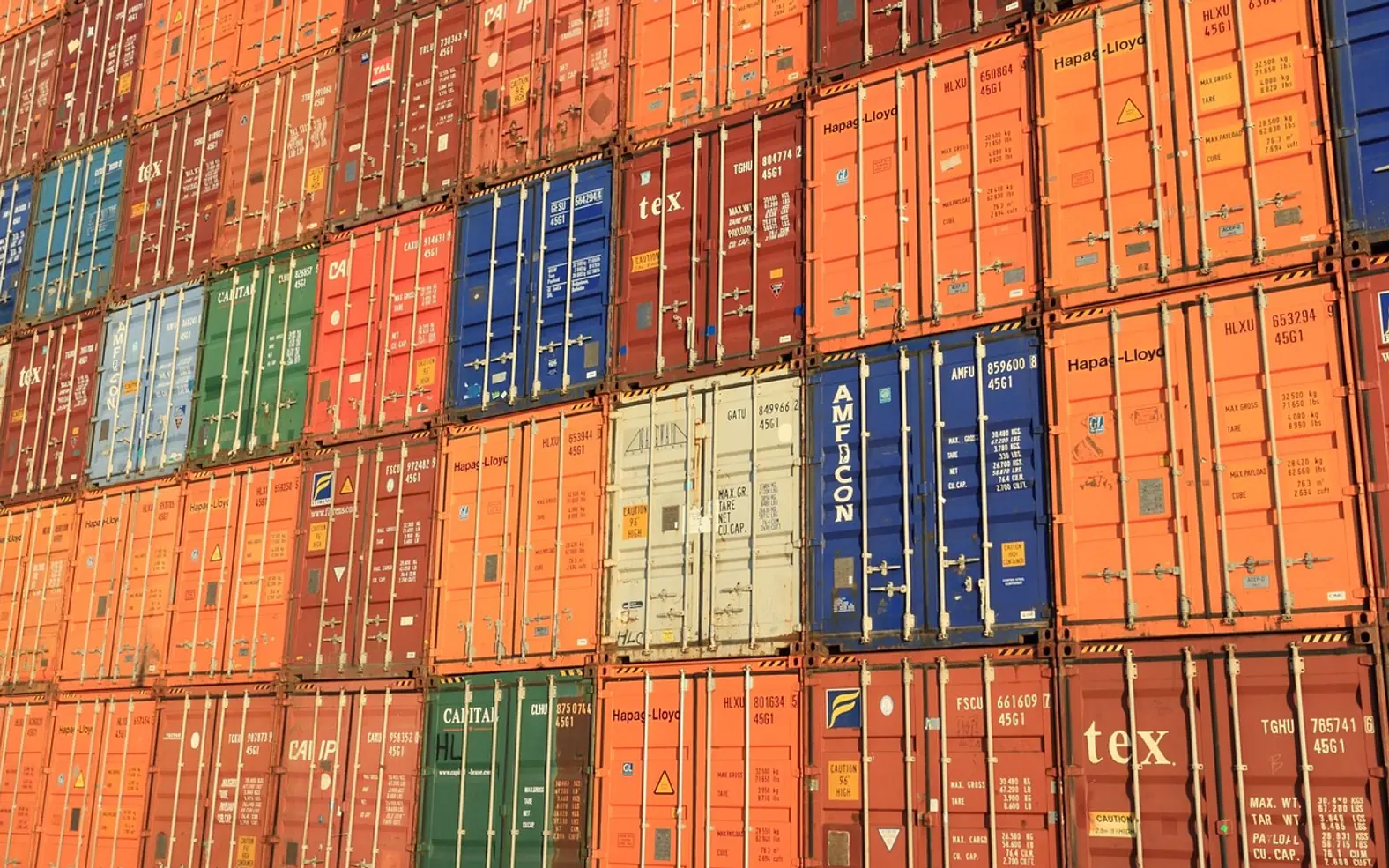
A waste container is one of the most ordinary objects on a building site, which is exactly why it is easy to overlook as a source of accidents. Containers are heavy, often placed near traffic and filled with sharp, awkward materials. A few clear rules keep them working for the project rather than against it.
Plan the position before delivery
Decide where the container will go before the lorry arrives. The spot should be firm and level so the container cannot shift or tip, with enough room for the delivery vehicle to set it down and collect it safely. Keep it clear of entrances, escape routes, scaffolding and overhead cables, yet close enough that workers are not carrying heavy loads across the site. If the container must stand on a public road, check whether a permit is needed from the local authority.
Budgeting early helps the planning stage. Contractors working around Hanau can compare containerdienst hanau preise to choose a size that fits both the expected volume and the available space, which avoids squeezing an oversized container into a tight corner.
Make it visible
- Use warning signs and barriers where the container is near pedestrians or vehicles.
- Add reflective markings or lights if it stands on a road or in poorly lit areas.
- Keep the surrounding ground clear of offcuts and debris that could cause trips.
Respect load limits and loading technique
Every container has a maximum fill line and weight. Overfilling makes collection dangerous, as loose material can fall during lifting or transport, and the hauler may refuse to collect it. Spread the load evenly, place heavy items at the bottom and break down bulky waste so it lies flat. If the project produces more waste than expected, order an additional container or an earlier exchange rather than piling material higher.
Loading itself deserves care. Avoid throwing material from height without a chute, and never climb into a container to compact waste by hand.
Control what goes in
Mixing waste types can create hazards and extra costs. Agree in advance which materials are allowed, and keep separate arrangements for items such as asbestos, chemicals, paint, batteries and other hazardous waste, which need specialist handling under local regulations. Limit access to the container so that passers-by and neighbouring sites do not add their own rubbish.
Inspect and brief regularly
| Check | What to look for |
|---|---|
| Container condition | Damaged walls, broken doors, sharp edges |
| Surroundings | Debris, blocked paths, missing signage |
| Fill level | Material above the rim, uneven loading |
| Contents | Prohibited or hazardous items |
Include container rules in the site induction and repeat them in toolbox talks when new subcontractors arrive. Gloves, safety footwear and eye protection should be standard for anyone handling waste. When everyone knows the routine, the container becomes a safe, efficient part of the job rather than a hazard in the corner.