Singing Until Sunrise: The Magic of Gangnam Karaoke Culture

Why More Viewers in France Are Turning to IPTV Solutions
April 29, 2026
Family Offices Empowering Entrepreneurs Beyond Business Success
May 26, 2026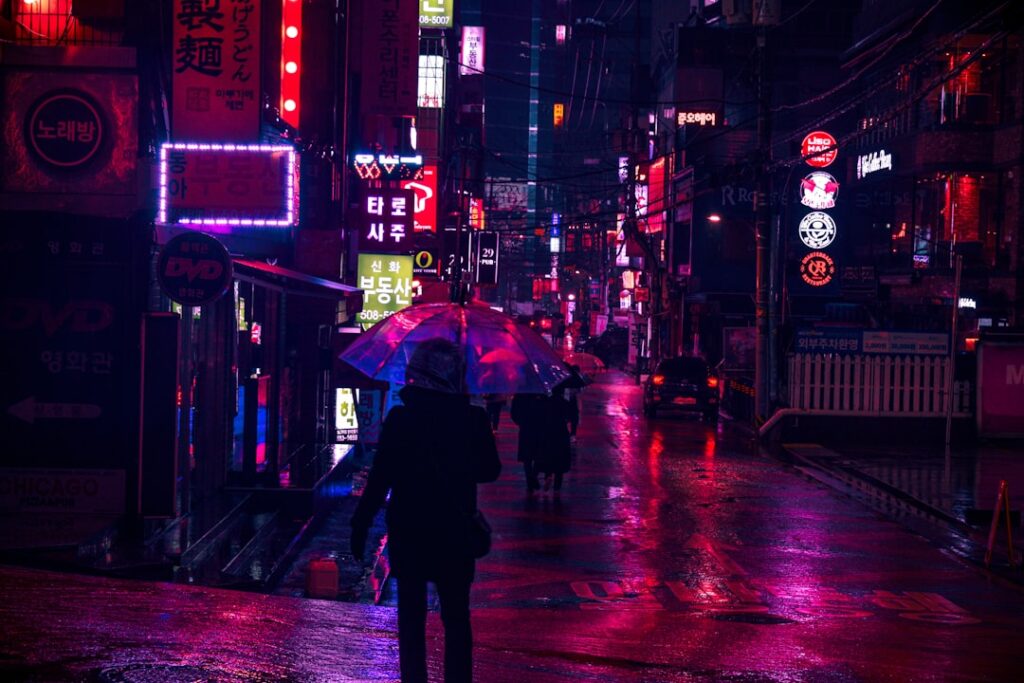
In Seoul, few nightlife experiences capture the city’s energy as completely as a long session in a Gangnam noraebang. Karaoke in South Korea is not a novelty or a casual add-on to a night out. It is a cultural ritual, a social equalizer, and for many visitors, one of the most memorable ways to understand the rhythm of the city after dark. When people talk about Gangnam karaoke culture, they are talking about more than microphones and neon lights. They are talking about a place where work stress dissolves into laughter, friendships deepen over duets, and the night often stretches until the first trains begin to run again.
Why Gangnam Became the Heart of Karaoke Nightlife
Gangnam has long represented a polished, fast-moving version of modern Seoul. Known for its business towers, luxury shopping, trend-conscious crowds, and late-night dining, the district naturally became one of the most iconic places to experience Korean karaoke culture. In this part of the city, noraebang venues range from budget-friendly casual spots to premium lounges with sophisticated interiors, powerful sound systems, and private rooms designed for small groups or all-night celebrations.
What makes Gangnam especially compelling is the way karaoke fits so seamlessly into the neighborhood’s nightlife flow. Dinner often leads to drinks, drinks lead to another round at a bar, and then the group looks for a noraebang to keep the mood alive. Because so many venues stay open late, karaoke becomes the bridge between evening plans and sunrise. That flexibility is a major reason Gangnam karaoke remains a defining part of Seoul nightlife for office workers, students, tourists, and longtime locals alike.
The district also reflects the aspirational side of Korean entertainment culture. Music matters deeply in South Korea, and that passion shows up in the quality of karaoke experiences available. Many venues offer updated song libraries, multilingual options, tambourines, mood lighting, and attentive service. For those exploring premium options in the area, places such as 강남더킹 reflect how elevated and stylish the Gangnam karaoke scene can feel without losing its playful core.
What a Night in a Gangnam Noraebang Feels Like
The classic noraebang experience begins the moment the group steps into a private room. That privacy is a crucial difference between Korean karaoke and the open-mic bar format common in other countries. Instead of singing in front of strangers, friends or colleagues share a room, choose songs from a remote, and create their own atmosphere. This setup makes people more willing to participate, even if they insist at first that they cannot sing.
Once the first song starts, the energy changes quickly. Someone grabs the tambourine, someone else adjusts the echo settings, and suddenly the room becomes a mini concert venue. Ballads, K-pop hits, old Korean standards, English pop songs, and dramatic duet choices all find their place. The point is not technical perfection. It is release, connection, and performance in the broadest sense. In Gangnam, where people often carry intense academic or professional pressure, that release feels especially meaningful.
Many venues also encourage longer stays with drinks, snacks, and comfortable seating. It is easy to lose track of time when one song turns into ten. As the hours pass, playlists become more emotional, more nostalgic, or more chaotic depending on the group. This is the hidden magic of singing until sunrise: karaoke becomes a mirror for the night itself, moving from polished excitement to honest emotion to joyful exhaustion.
The Social Meaning Behind the Songs
To understand Gangnam karaoke culture, we have to look beyond entertainment and recognize its social role. Noraebang is one of the few spaces where hierarchy softens. In work settings, a junior employee may be formal and reserved at dinner, but in a karaoke room, a surprising song choice or an enthusiastic chorus can change the group dynamic. Shared singing builds warmth quickly because it invites vulnerability without demanding heavy conversation.
This is one reason karaoke remains popular across generations in South Korea. It gives people a structured but relaxed way to express emotion. A sentimental ballad can say what everyday speech leaves unsaid. A comic dance track can defuse tension. A duet can turn acquaintances into friends. In Gangnam, where social interactions often happen at high speed, noraebang offers a rare blend of intimacy and spectacle.
There is also something deeply local in the emotional range of a Korean karaoke night. The room may begin with upbeat chart hits, shift toward dramatic love songs, and end with group anthems sung at full volume. These transitions are not random. They reflect the Korean appreciation for music as an outlet for memory, longing, celebration, and group bonding. For visitors, this is one of the clearest windows into how Seoul nightlife balances glamour with sincerity.
How to Experience Gangnam Karaoke Like a Local
Visitors do not need fluent Korean or a perfect singing voice to enjoy noraebang in Gangnam. What matters more is attitude. The best approach is to join in, respect the group rhythm, and treat each performance as part of a shared experience rather than a solo audition. A little enthusiasm goes much further than polished technique.
- Go with a group: Karaoke is most rewarding when friends, coworkers, or travel companions build the energy together.
- Mix song choices: Include familiar international tracks, K-pop favorites, and a few slower songs to match the emotional arc of the night.
- Take turns generously: Great noraebang etiquette means encouraging others, singing backup, and keeping the room inclusive.
- Stay open to spontaneity: The most memorable moments often come from an unexpected duet or a song everyone suddenly knows.
- Embrace the late hours: In Gangnam, karaoke is not rushed. Let the night unfold naturally.
It also helps to understand that the room itself is part of the experience. Lighting, acoustics, food service, and seating all affect the mood. Some travelers prefer simple neighborhood spots, while others seek out high-end venues for a more immersive version of Gangnam nightlife. Either way, the essence remains the same: a private space where music becomes the center of social life for a few unforgettable hours.
That is ultimately why Gangnam karaoke culture leaves such a strong impression. It is lively without being superficial, emotional without being heavy, and glamorous without losing its communal spirit. Whether the group sings with skill or pure courage, the result is the same: voices rising together in a city that never seems to run out of energy. By the time the sky begins to brighten over Gangnam, karaoke has done what it does best. It has turned an ordinary night into a story people will want to relive long after the final chorus fades.