From Smart TVs to Phones: IPTV Devices Dutch Households Use Most
Renounced Ownership Isn’t the End: How Token Checkers Still Uncover Hidden Risks
December 23, 2025Stronger Operations, Stronger Balance Sheet: The Cash-Flow Power of Factoring
January 8, 2026The Changing Face of IPTV in Dutch Households
Television viewing habits in the Netherlands have shifted significantly over recent years. Traditional cable TV is no longer the default. Instead, more families are turning to Internet Protocol Television, better known as IPTV, for streaming entertainment. This move is fueled by demand for greater flexibility, an ever-growing library of content, and the rapid rise in smart devices. But what devices are Dutch households actually using most to access IPTV? Understanding this can give insight into both consumer preferences and the direction of home entertainment in the country.
As streaming becomes increasingly accessible, Dutch viewers are spoiled for choice in both content and device. From the living room to the palm of your hand, IPTV has found its way into many facets of daily life. To see how this trend is unfolding, let’s first consider the role of smart TVs in the Dutch home, before working through the spectrum of devices now common in households across the Netherlands.
Smart TVs: The Living Room Favorite
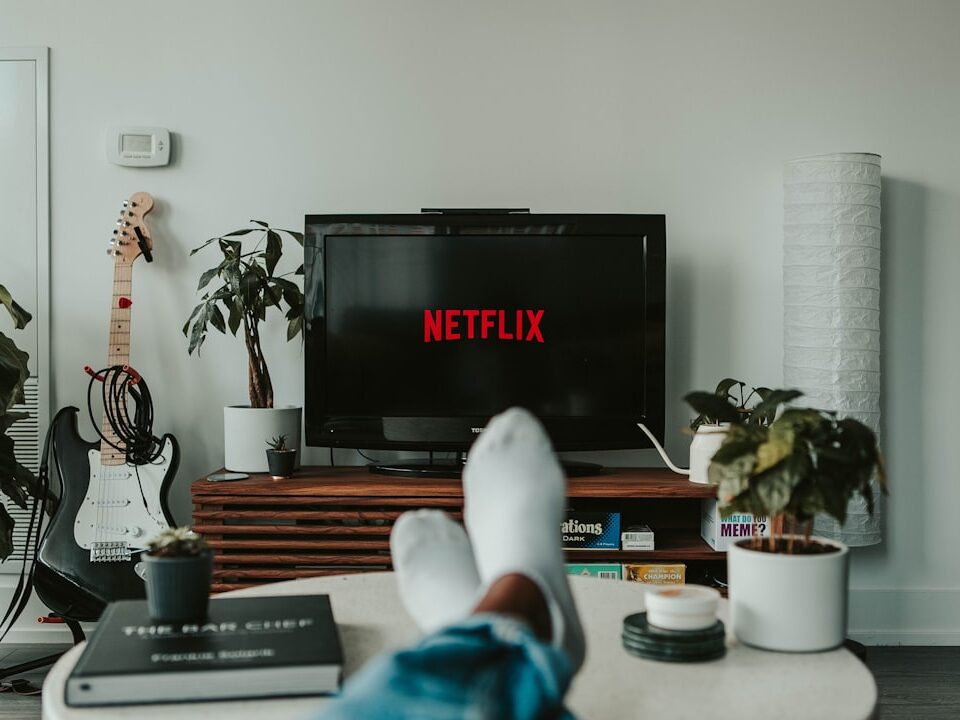
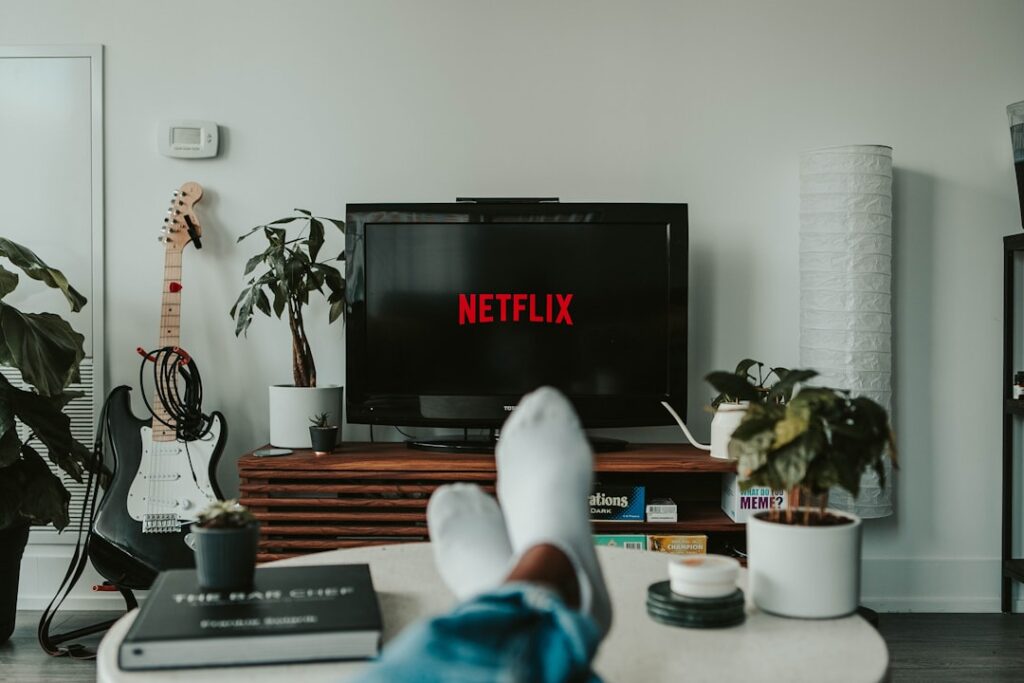
Smart TVs have solidified their place as the primary device for IPTV streaming in Dutch homes. Recent market data from Statista shows that more than 70 percent of households in the Netherlands own at least one smart TV. These devices offer the benefit of built-in apps, easy remote navigation, and seamless integration with home Wi-Fi. This makes them an attractive, low-friction option for accessing IPTV services without the need for additional hardware.
Manufacturers such as Samsung, LG, Philips, and Sony dominate the market, with most new TV models supporting a range of popular IPTV apps. The preference for smart TVs is especially strong in family living rooms, where the ability to share content on a large screen remains a social experience. For many, the TV is still the heart of home entertainment, even if the content source has shifted from cable to internet.
Yet, as families grow more mobile and individual viewing increases, other devices are becoming more prominent. The central role of the smart TV is now complemented by smaller, more personal screens.
Streaming Devices: Expanding Options
Not every TV in Dutch households is a smart TV, and even among smart TVs, app support can be inconsistent. Enter streaming devices such as Chromecast, Apple TV, Fire TV Stick, and Android TV boxes. These compact gadgets plug into any television with an HDMI port, transforming older sets into IPTV-ready hubs. This approach has gained traction among households looking to extend IPTV functionality to secondary TVs, such as those in bedrooms or guest rooms.
Streaming sticks and set-top boxes are especially popular among younger viewers and renters, who value the portability and ease of setup. The ability to install custom IPTV apps or cast content directly from a phone or tablet also adds flexibility. As a result, these devices are a common supplement to smart TVs, allowing Dutch users to access their favorite streams anywhere in the house.
While streaming devices broaden access, the real explosion in IPTV consumption has come from the widespread use of smartphones and tablets. This trend points to a shift in both when and where people choose to watch their favorite shows.
Mobile Devices: IPTV in Your Pocket
Smartphones and tablets have revolutionized the way Dutch residents engage with IPTV. According to the Dutch Consumer Electronics Association, more than 90 percent of households own at least one smartphone, and over half own a tablet. These devices are now standard portals to IPTV, offering instant access to live TV, on-demand movies, and sports wherever there’s an internet connection.
The convenience of mobile streaming is a significant factor. Commuters on trains, students in dorms, and busy parents can all enjoy IPTV without being tied to the living room. Many IPTV providers have responded by optimizing their apps for iOS and Android, ensuring a smooth viewing experience even on smaller screens. Features like pause, rewind, and offline downloads further enhance the appeal of mobile viewing.
While mobile usage is on the rise, the Dutch preference for high-quality displays and shared experiences keeps larger devices in the mix. Still, the flexibility of watching TV on the go continues to shape how, when, and where content is consumed.
Computers and Laptops: The Multi-Tasking Solution
Though not as dominant as smart TVs or phones, computers and laptops remain a significant avenue for IPTV consumption. Many Dutch users appreciate the ability to watch live TV or stream series while working, studying, or browsing online. Laptops, in particular, offer a middle ground between mobility and screen size, making them suitable for both solo and shared viewing.
Compatibility with IPTV web players and desktop applications adds to the appeal, especially for those who prefer a mouse and keyboard interface. The multitasking capability of computers means users can stream a football match in one window while handling emails in another. This practicality ensures that computers still have a firm foothold in the IPTV device landscape, even as newer gadgets emerge.
To better visualize device popularity and usage scenarios, the table below summarizes key features and typical uses for each major category of IPTV device found in Dutch households.
Overview of Common IPTV Devices in Dutch Households
| Device Type | Main Advantages | Typical Usage Scenario |
|---|---|---|
| Smart TV | Large screen, built-in apps, easy navigation | Family living rooms, group viewing |
| Streaming Device (e.g., Chromecast, Fire TV) | Upgrades old TVs, portable, app flexibility | Secondary TVs, bedrooms, renters |
| Smartphone | Portability, personal viewing, app variety | Commuting, solo viewing, on-the-go |
| Tablet | Bigger screen than phone, touch interface | Travel, children’s rooms, casual use |
| Laptop/Computer | Multitasking, larger screen than phone, web access | Workspaces, students, simultaneous tasks |
The table provides a snapshot of the most common IPTV devices in Dutch homes, highlighting how varied preferences and family setups influence device selection. This diversity reflects the ongoing blending of traditional and modern viewing habits across the country.
Factors Influencing Device Choice
Several factors guide the selection of IPTV devices in Dutch households. Price remains a leading concern, with families balancing the cost of new hardware against ongoing subscription fees. Compatibility with existing home networks and other devices also weighs heavily, as does the ease of installation and use.
Content preferences play a significant role. Sports fans may prefer large screens and surround sound for an immersive experience. Meanwhile, teenagers and young adults often opt for personal screens, valuing privacy and the ability to watch from anywhere. Parental control features and app security are also priorities for households with children.
Another key factor is the increasing focus on energy efficiency and sustainability. Many Dutch consumers are choosing devices with lower power consumption, contributing to the country’s broader environmental goals. This consideration is especially relevant for smart TVs and set-top boxes, which may remain powered on for extended periods.
With these factors in mind, Dutch households are likely to continue experimenting with new devices as technology advances. The next section looks at how IPTV device preferences are shifting as new trends emerge and the market matures.
Emerging Trends and Future Outlook
Device preferences are not static. As IPTV technology advances, new trends are shaping the Dutch market. Voice-controlled remotes, smart home integration, and improved app ecosystems are making it easier to access and manage IPTV content. Some families are consolidating devices, using a single streaming stick or smart TV to handle all entertainment needs. Others are exploring multi-room setups, where content can be paused in one room and resumed in another.
Another growing trend is the use of cloud-based DVR and personalized recommendations, which make the viewing experience more tailored to individual preferences. Security and privacy are also coming to the forefront, with users paying closer attention to data protection and app permissions.
As 5G networks expand across the Netherlands, mobile IPTV usage is expected to increase even further. Faster mobile internet will enable higher-quality streaming on phones and tablets, erasing many of the barriers that once limited mobile viewing. In parallel, manufacturers are investing in more energy-efficient and environmentally friendly hardware, aligning with Dutch values around sustainability.
These trends suggest that the future of IPTV in Dutch households will be defined by flexibility, convenience, and continued innovation. Device choice will remain a reflection of both personal habits and broader technological shifts, as families adapt to new ways of enjoying their favorite content.